How to Grow a Wax Worm Farm for Reptile Feeders
Growing a wax worm farm is an excellent way to ensure a steady supply of nutrient-dense treats for your exotic pets without spending a fortune at the pet store. Wax worms are the larvae of the Greater Wax Moth, and unlike mealworms, they require a specific high-fat diet to thrive. By mimicking their natural environment in a controlled indoor setting, you can maintain a healthy population that provides essential fats for your animals. This guide covers everything from setting up the initial habitat to managing the lifecycle of the moths to prevent colony collapse.
Establishing the Colony Habitat
Prepare the High-Fat Substrate

- Use a ratio of 2 parts wheat bran to 1 part cornmeal for a balanced base.
- Add honey or molasses sparingly to avoid making the mix too sticky for the worms to move.
- Avoid using ingredients with artificial preservatives or salts which can be toxic to the larvae.
- Ensure the mixture is well-blended to prevent nutrient clumps.
- Store excess dry mix in an airtight container to prevent moisture absorption.
Configure the Containment Bin
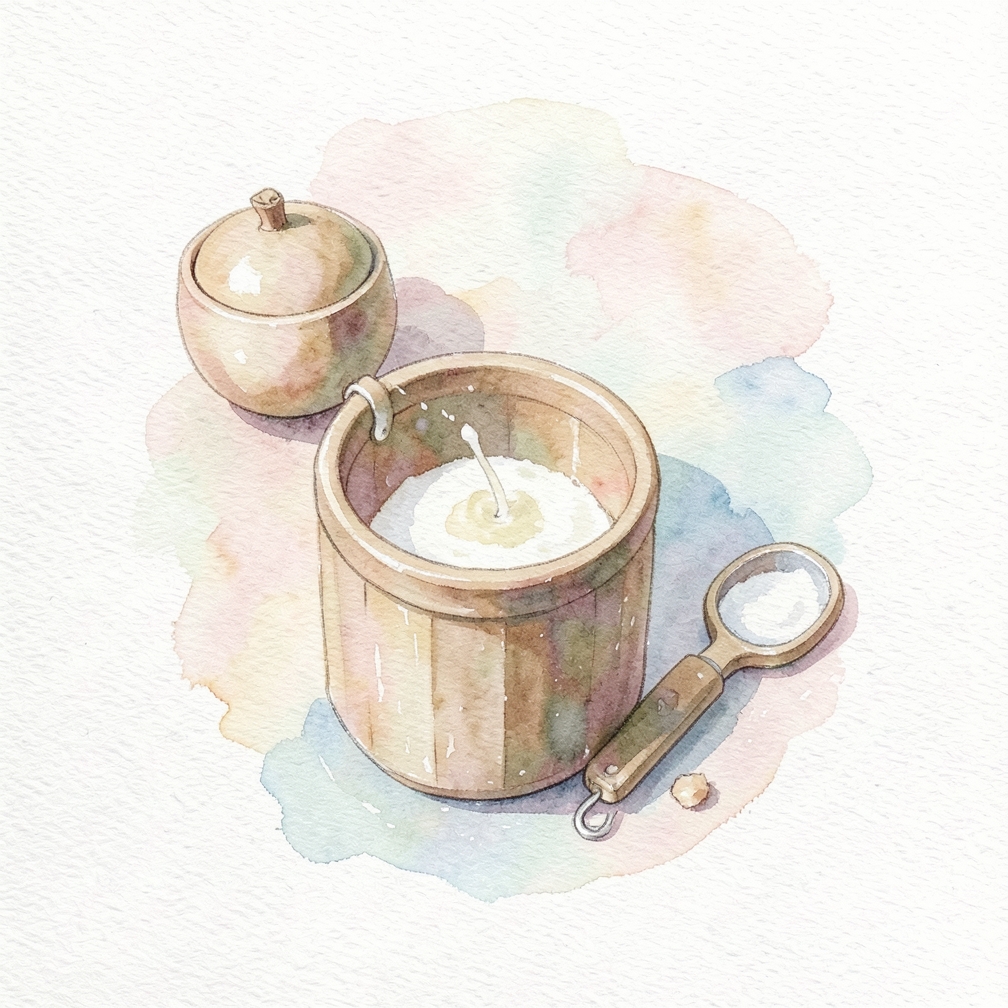
- Drill small ventilation holes in the lid to allow fresh air circulation.
- Cover all holes with fine mesh screening to keep out ants and fruit flies.
- Do not use a bin that is too shallow, as worms need depth to regulate their temperature.
- Place the bin in a dark, room-temperature area to simulate a natural burrow.
- Ensure the plastic is food-grade or BPA-free to avoid chemical leaching into the food.
Introduce the Starter Culture

- Gently pour the worms onto the surface rather than dropping them from a height.
- Check the substrate daily for the first week to ensure it feels like damp sand.
- Avoid over-misting the substrate, as excess water leads to lethal fungal growth.
- Keep the bin away from direct sunlight to prevent overheating.
- Observe burrowing behavior to confirm the worms are accepting the food source.
Maintaining and Expanding the Population
Manage the Pupation Cycle

- Maintain a temperature between 75-80°F to encourage faster metabolic rates.
- Provide a small piece of cardboard or mesh for moths to cling to.
- Do not disturb the pupae (cocoons) as they are fragile and easily damaged.
- Ensure the air is not too dry, as this can hinder the moth's emergence from the cocoon.
- Monitor for the appearance of new eggs on the substrate surface.
Implement a Sustainable Harvest Schedule
- Limit harvests to a small percentage of the total population at one time.
- Leave the largest larvae in the bin to ensure they can pupate and breed.
- Avoid harvesting during a peak breeding cycle to allow the population to rebound.
- Replenish the substrate every few weeks to remove waste (frass) and add fresh nutrients.
- Store harvested worms in small containers with sawdust in the refrigerator to slow their growth.
Pro Tips
- Store your bins in a closet to keep them dark, as wax worms are photophobic.
- Add a pinch of cinnamon to the substrate to help inhibit mold growth.
- Keep a backup colony in a separate bin to avoid total loss if one bin gets contaminated.
- Feed your pets wax worms sparingly, as they are very high in fat and can cause obesity.
- Use a sieve to easily separate the worms from the spent substrate during harvest.
- Maintain a consistent temperature to avoid dormant periods in the moth lifecycle.
Warnings
- Avoid using sugar-heavy syrups that attract ants and cockroaches.
- Never leave the bin in direct sunlight, as the plastic can overheat and kill the larvae.
- Do not over-mist the substrate; soggy bran will mold rapidly and kill the colony.
- Be careful not to let moths escape into your home, as they can infest stored grains.
- Avoid using chemically treated plastics or bins that smell strongly of solvents.
Community Q&A
Q Can I feed wax worms to my reptile every day?
A No. Wax worms are essentially 'candy' for reptiles due to their high fat content. They should be given as occasional treats rather than a primary food source to prevent obesity and liver issues.
Q What do I do if I see tiny mites in the bin?
A Mites are a common pest. If you spot them, isolate the affected bin immediately. You can try moving the worms to a fresh bin with new substrate, but often a heavily infested colony must be discarded to prevent the spread to your pets.
References
- https://example-entomology-journal.com/wax-moth-biology
- Reptile Nutrition and Feeding Guidelines
- https://www.waxwormkit.com/
- https://www.wormman.com/cat_wax.cfm
Was this guide helpful?
84 people found this helpful
HowDadDo Around the World
Subscribe to the HowDadDo Newsletter
Get expert tips, weekly how-to guides, and dad wisdom delivered straight to your inbox. No spam, just good stuff.
Help us build the world's best
dad manual.
Every guide on HowDadDo is written and fact-checked by real people — no AI-generated fluff. Join our community of experts helping dads figure life out.