How to Hang a Mirror Correctly for Stability and Style
Knowing how to hang a mirror correctly is essential not only for the aesthetic of your room but for the safety of everyone in your home. A poorly mounted mirror can slip or crash, causing permanent damage to your walls and the glass itself. By following a systematic approach to measuring, selecting hardware based on weight, and utilizing a level, you can transform your space and make it feel larger and brighter with confidence.
Planning and Preparation
Calculate Mirror Weight and Wall Capacity

- Stand on a bathroom scale while holding the mirror, then subtract your own weight to find the mirror's exact mass.
- Check the weight rating on your wall anchors to ensure they can support at least 1.5 times the mirror's weight.
- Avoid relying on the manufacturer's estimated weight, as frames can vary significantly.
- Identify if your wall is drywall, plaster, or masonry, as each requires a completely different anchoring system.
- Note whether the mirror is 'backed' (has a frame and mounting hardware) or 'unbacked' (bare glass).
Select the Correct Mounting Hardware
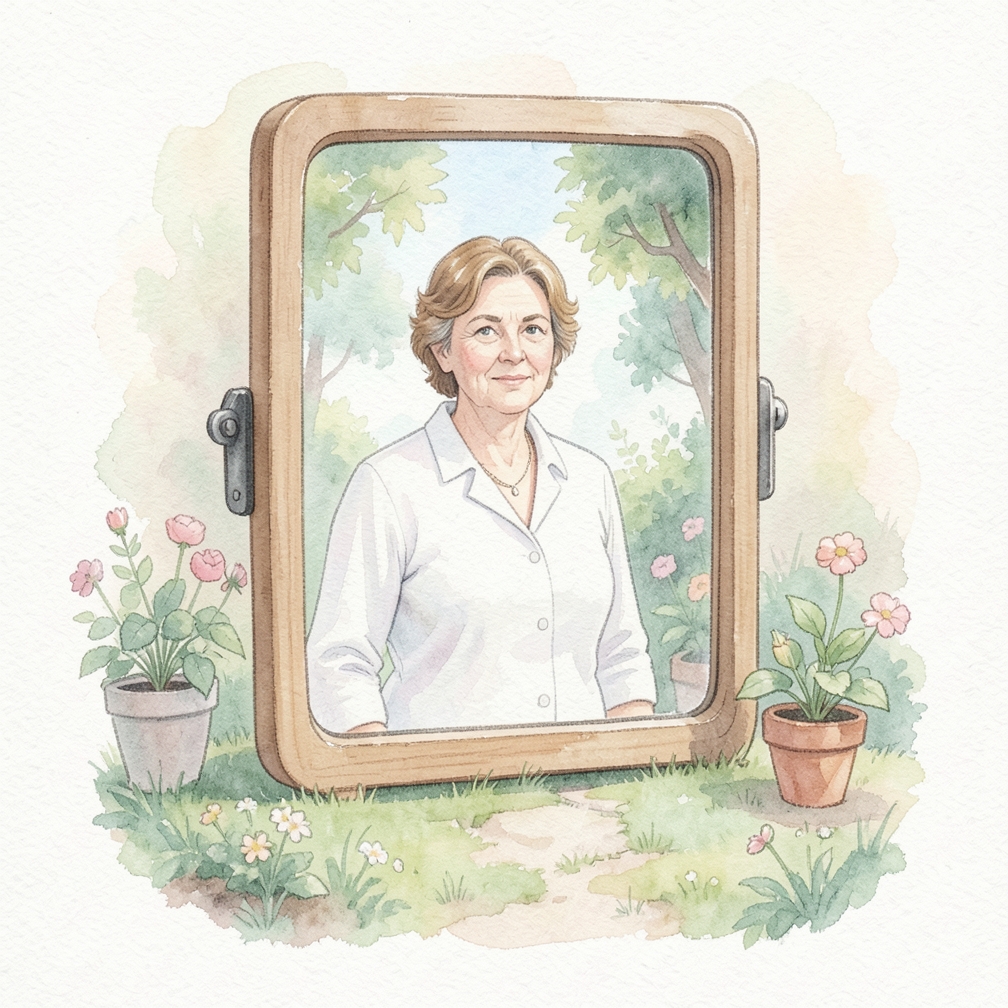
- Use toggle bolts for heavy mirrors on drywall when a wall stud is not available.
- Choose D-rings for a secure, flush mount, or a wire for easier leveling adjustments.
- Use masonry anchors and a hammer drill for brick or concrete walls to ensure a permanent grip.
- Avoid using simple nails or adhesive strips for mirrors weighing more than 10 pounds.
- For very heavy mirrors, consider a French Cleat system to distribute weight across a wider section of the wall.
Determine the Optimal Placement
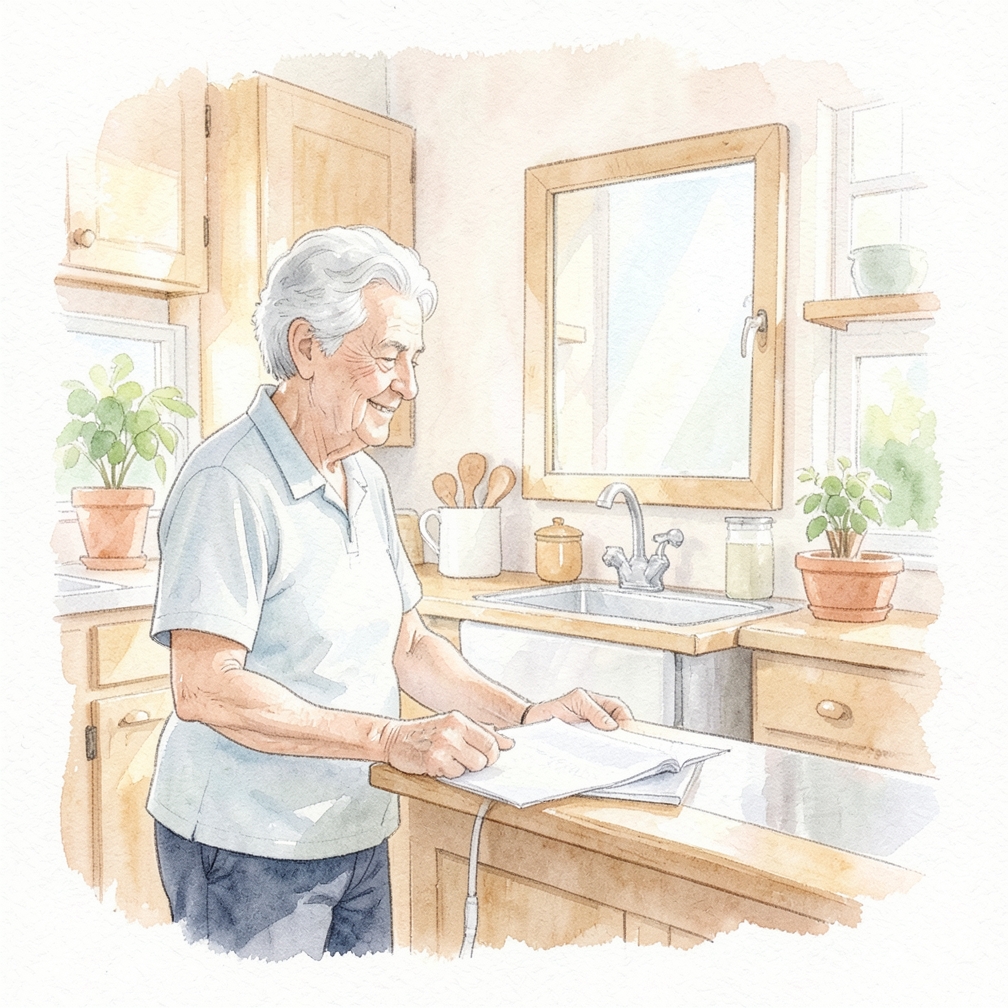
- Aim for the center of the mirror to be approximately 57 to 60 inches from the floor for standard eye-level viewing.
- Create a cardboard or paper template of the mirror to tape to the wall for a visual preview.
- Ensure the mirror is not placed directly opposite a window to avoid blinding glare and reflections.
- Check for nearby electrical outlets or plumbing pipes before deciding on a drill location.
- In bathrooms, align the mirror with the vanity width to maintain visual symmetry.
Installation and Leveling
Mark and Drill Precise Anchor Points

- Use a spirit level or laser level to draw a light pencil line to ensure your hooks are perfectly horizontal.
- For mirrors with two brackets, use a piece of masking tape across the back hooks to mark the exact distance between them.
- Drill pilot holes slightly smaller than the anchor diameter to ensure a tight, secure fit.
- Double-check the distance between marks against the mirror's hardware one last time before drilling.
- Avoid drilling into the wall if you suspect a pipe or wire is running directly behind your mark.
Secure the Mirror and Verify Stability
- Have a partner hold the mirror in place while you guide the brackets onto the hooks.
- Slowly release the weight of the mirror to ensure the anchors are gripping the wall firmly.
- Place a level on top of the frame after hanging to make final micro-adjustments.
- Do not force the mirror onto the hooks; if it doesn't slide on easily, re-check your alignment.
- Apply small rubber bumpers to the bottom corners of the frame to prevent it from scratching the wall.
Pro Tips
- Use rubber bumpers (small clear adhesive pads) on the bottom corners of the mirror to prevent it from scratching the paint and to keep it from shifting.
- If you are renting, consider using heavy-duty adhesive strips only for very lightweight mirrors, as they can fail over time.
Warnings
- Never hang a heavy mirror using only a single nail or screw; always use a rated anchor or a wall stud.
- Do not over-tighten screws into drywall, as this can strip the hole and weaken the hold of the anchor.
Community Q&A
Q Can I hang a mirror without drilling holes?
A Only if the mirror is very lightweight and you use high-quality adhesive strips. For medium to heavy mirrors, drilling and using anchors is the only safe method.
Q What is the best height for a hallway mirror?
A Generally, the center of the mirror should be about 57-60 inches from the floor, but it should be adjusted so the person using it can see their full head and shoulders comfortably.
References
- Home Improvement Basics: Wall Mounting
Was this guide helpful?
36 people found this helpful
HowDadDo Around the World
Subscribe to the HowDadDo Newsletter
Get expert tips, weekly how-to guides, and dad wisdom delivered straight to your inbox. No spam, just good stuff.
Help us build the world's best
dad manual.
Every guide on HowDadDo is written and fact-checked by real people — no AI-generated fluff. Join our community of experts helping dads figure life out.