How to Throw Ashes in the Ocean: A Guide to Scattering Remains at Sea
Saying a final goodbye by scattering ashes in the ocean can be a deeply spiritual and peaceful experience. However, performing a sea burial requires more than just a boat trip; there are specific environmental regulations and practical considerations to ensure the process is respectful and legal. This guide will walk you through how to throw ashes in the ocean while adhering to EPA guidelines and honoring your loved one's memory.
Planning and Legal Compliance
Verify Regional and Federal Regulations

- Check local state or provincial laws as some regions have stricter rules than the federal EPA guidelines.
- Use a nautical chart or a GPS-enabled app to mark the 3-nautical-mile limit before departing.
- If you are using a commercial charter, confirm that the captain is aware of the EPA regulations and is willing to travel the required distance.
- Avoid scattering ashes in protected marine sanctuaries or national parks without a specific permit.
- Keep a copy of the cremation certificate on hand if you are traveling via a commercial vessel.
Select the Right Vessel and Timing

- Rent a private pontoon or small yacht if you want more intimacy and control over the timing.
- Check the wind forecast carefully; strong winds can blow ashes back onto the participants.
- Consider the tide and current patterns to ensure the ashes drift away from the boat rather than circling back.
- Schedule the trip during 'golden hour' (sunrise or sunset) for a more poignant and visually beautiful experience.
- Avoid days with high swell or choppy waters to prevent seasickness during the emotional ceremony.
Preparing the Remains and Materials
Choose an Environmentally Safe Container

- Choose urns made from salt, pressed sand, or recycled paper that dissolve quickly in water.
- Avoid using glitter or non-biodegradable confetti during the ceremony.
- If using a biodegradable urn, check the manufacturer's specifications on how long it takes to sink and dissolve.
- Ensure the container is securely sealed for transport to prevent accidental spills on the boat.
- Avoid using plastic bags inside the biodegradable urn, as these will not decompose.
Organize the Scattering Method
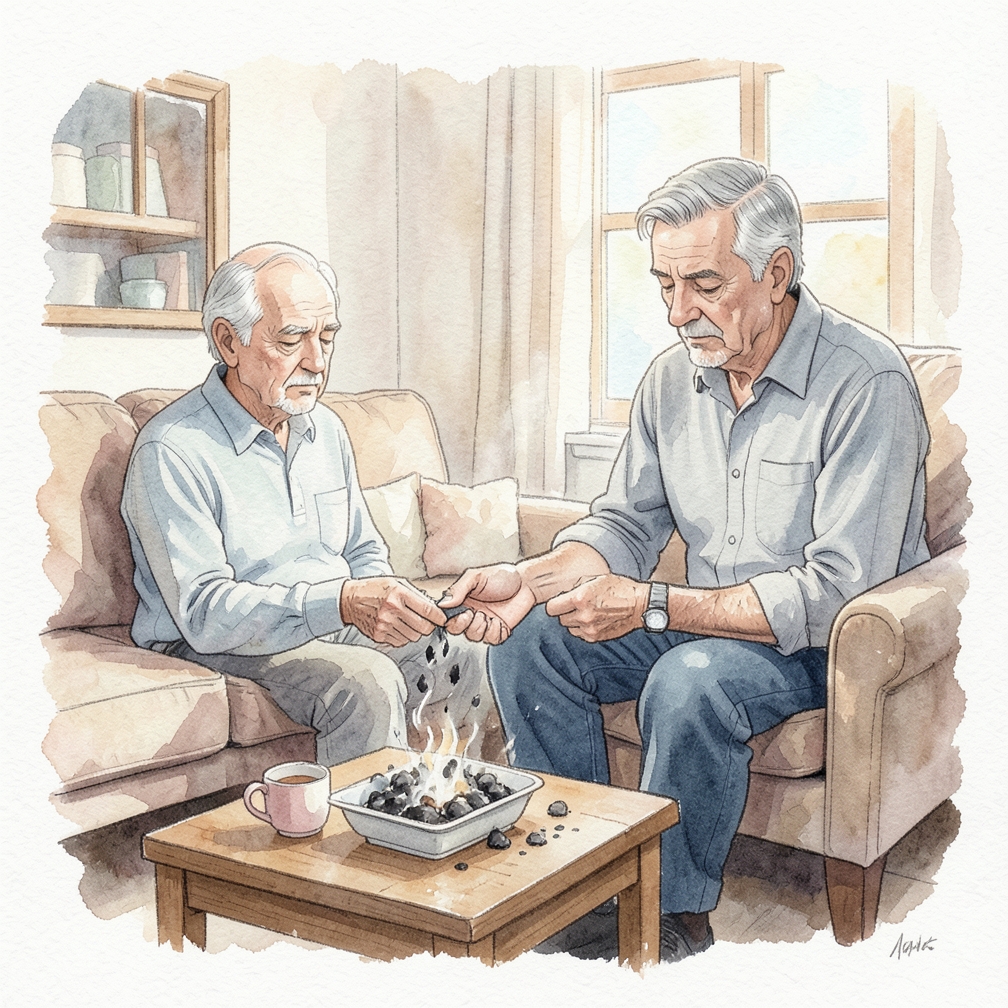
- The 'Pour' method involves slowly tilting the urn to create a steady stream of ashes.
- The 'Cast' method involves throwing a handful of ashes into the wind for a more dramatic effect.
- Use a biodegradable scattering tube if you are worried about the wind blowing ashes back at you.
- Test the wind direction by tossing a small piece of biodegradable paper first.
- Stand with your back to the wind to ensure the ashes are carried away from the boat.
Conducting the Ceremony
Perform the Final Ritual and Scattering

- Prepare a short eulogy or a favorite poem to read aloud before the scattering.
- Play a piece of music that was meaningful to the deceased to set a reflective tone.
- Allow each family member a moment of silence or a chance to say a private word to the ocean.
- Consider bringing a small amount of fresh flowers to toss into the water alongside the ashes.
- Avoid using synthetic flower dyes or plastics; stick to natural, organic blooms.
Pro Tips
- If you are emotionally overwhelmed, designate one person as the 'coordinator' to handle the boat captain and the GPS tracking.
- Take a photo of the coordinates where the scattering occurred so you can return to the general area for future anniversaries.
Warnings
- Never throw metal or plastic urns into the ocean, as this is illegal and harmful to marine life.
- Be mindful of other vessels in the area; ensure the boat is idling or stationary during the ceremony for safety.
Community Q&A
Q Do I need a permit to scatter ashes in the ocean?
A In US federal waters, you generally do not need a permit as long as you are 3 nautical miles from shore. However, always check local state laws or specific marine sanctuary rules.
Q What happens to biodegradable urns?
A They are designed to float briefly before sinking to the ocean floor, where they dissolve naturally without leaving toxic residues.
References
Was this guide helpful?
27 people found this helpful
HowDadDo Around the World
Subscribe to the HowDadDo Newsletter
Get expert tips, weekly how-to guides, and dad wisdom delivered straight to your inbox. No spam, just good stuff.
Help us build the world's best
dad manual.
Every guide on HowDadDo is written and fact-checked by real people — no AI-generated fluff. Join our community of experts helping dads figure life out.