How to Tell How Old Your Dog Is Using Physical Clues
Knowing exactly how old your dog is is crucial for providing the correct nutrition, medical care, and exercise levels. While a vet can provide a professional estimate, you can often tell how old your dog is by observing specific biological markers. Whether you've adopted a rescue or found a stray, understanding these physical indicators helps you bridge the gap between guesswork and proper care.
Physical Signs
Teeth

- It’s often easiest to tell your dog’s age by their teeth.
- Gently lift up their lips to examine their chompers.
- Puppies have small, emerging teeth at 3 weeks old, and have all their sharp baby teeth at 6 weeks.
- At 12 weeks, their baby teeth begin to fall out, and their adult teeth (canines and incisors) emerge.
- By the time they’re 6 months old, they have all their full-sized, adult teeth, with flat molars in the back.
Eyes

- Young dogs often have clear, unclouded eyes.
- Middle-aged to elderly dogs, on the other hand, tend to develop round, gray or bluish clouds in the center of their eyes.
- This is known as lenticular sclerosis, and happens when the lenses of your dog’s eyes harden with age.
- It doesn’t affect how well your dog sees, but is a good indicator that they’re at least around the middle of their breed’s lifespan.
- Young dogs often have clear, unclouded eyes.
Fur
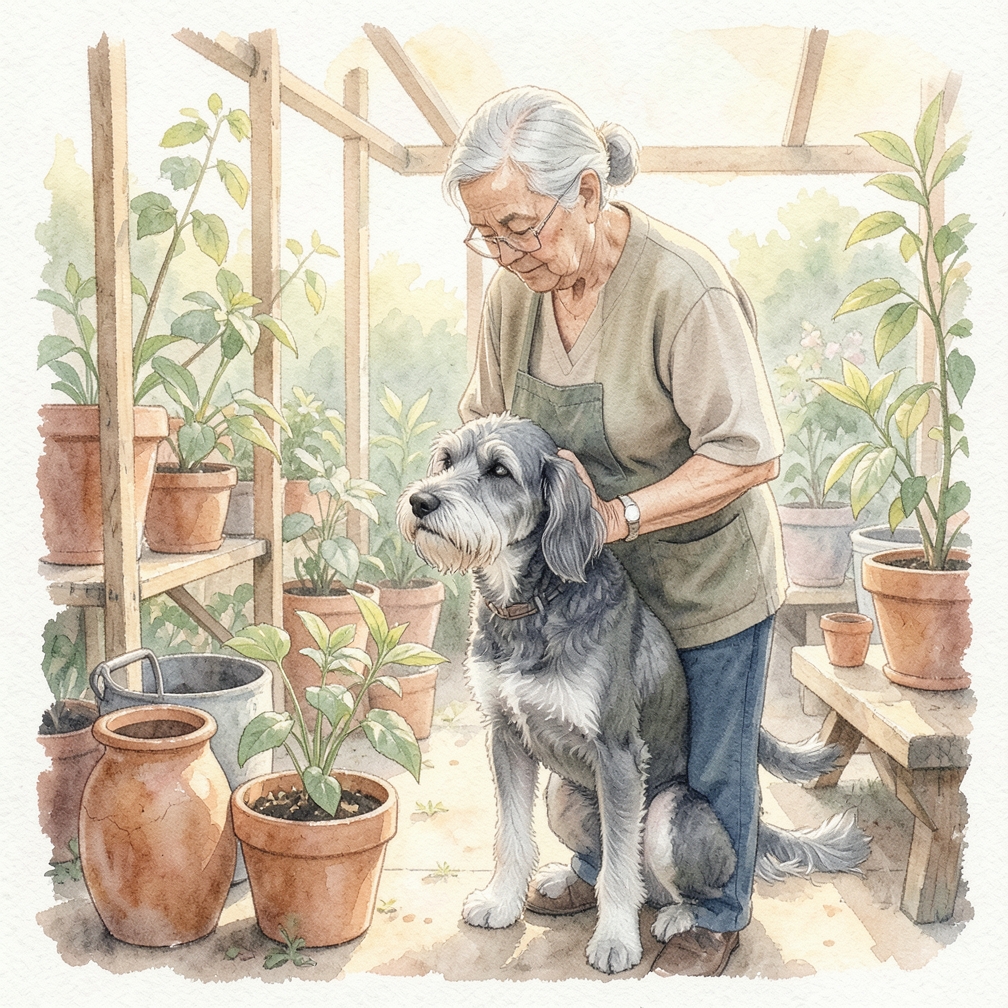
- Fur color often changes as a dog ages, but isn’t the most reliable indicator of age.
- Generally, younger dogs have less gray or white fur, while older or elderly dogs have much more, especially around the snout.
- That said, gray fur can develop around the snout as early as 2 years into a dog’s life, and many dogs gray prematurely as a result of high activity, stress, or even just genetics.
- It’s best to consider fur alongside other indicators, like your dog’s teeth, eyes, and behavior.
- Fur color often changes as a dog ages, but isn’t the most reliable indicator of age.
Muscle tone & build
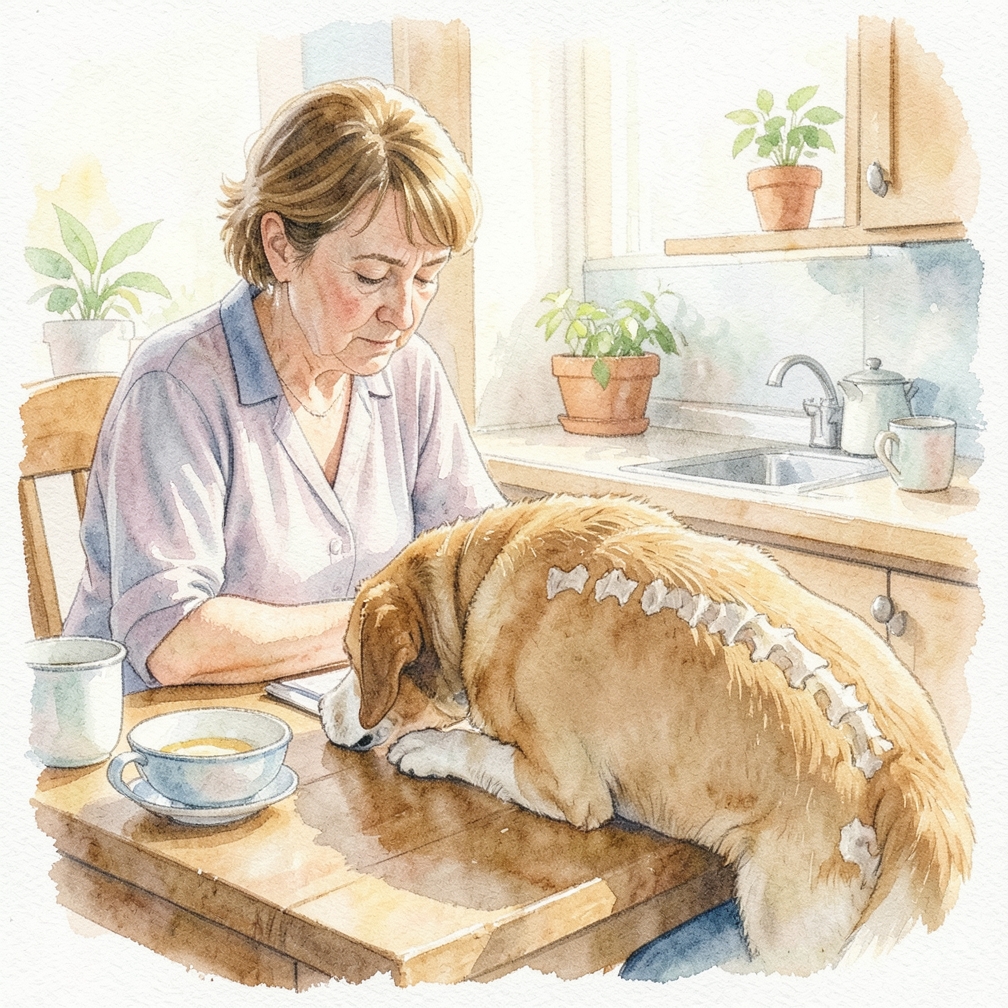
- Of course, puppies are smaller and leaner than adults of their breed.
- Adults are in their prime, and, if they’re healthy and active, are sturdy and fairly muscular.
- As dogs age and become seniors, their backs tend to sag, their bones may become more visible, and their spine becomes more prominent.
- Also, around middle age, dogs may develop pads of fat on their lower back or hip area.
- Of course, puppies are smaller and leaner than adults of their breed.
Breed and size
- While the above characteristics can help you gauge your dog’s age, lifespans vary by breed and size, which makes it difficult to say exactly how old a dog is.
- You can get a better idea, though, by looking up the typical characteristics of your dog’s breed on a site like American Kennel Club, and comparing those characteristics to those of your dog.
- While the above characteristics can help you gauge your dog’s age, lifespans vary by breed and size, which makes it difficult to say exactly how old a dog is.
- You can get a better idea, though, by looking up the typical characteristics of your dog’s breed on a site like American Kennel Club, and comparing those characteristics to those of your dog.
- While the above characteristics can help you gauge your dog’s age, lifespans vary by breed and size, which makes it difficult to say exactly how old a dog is.
Behavior
Energy levels
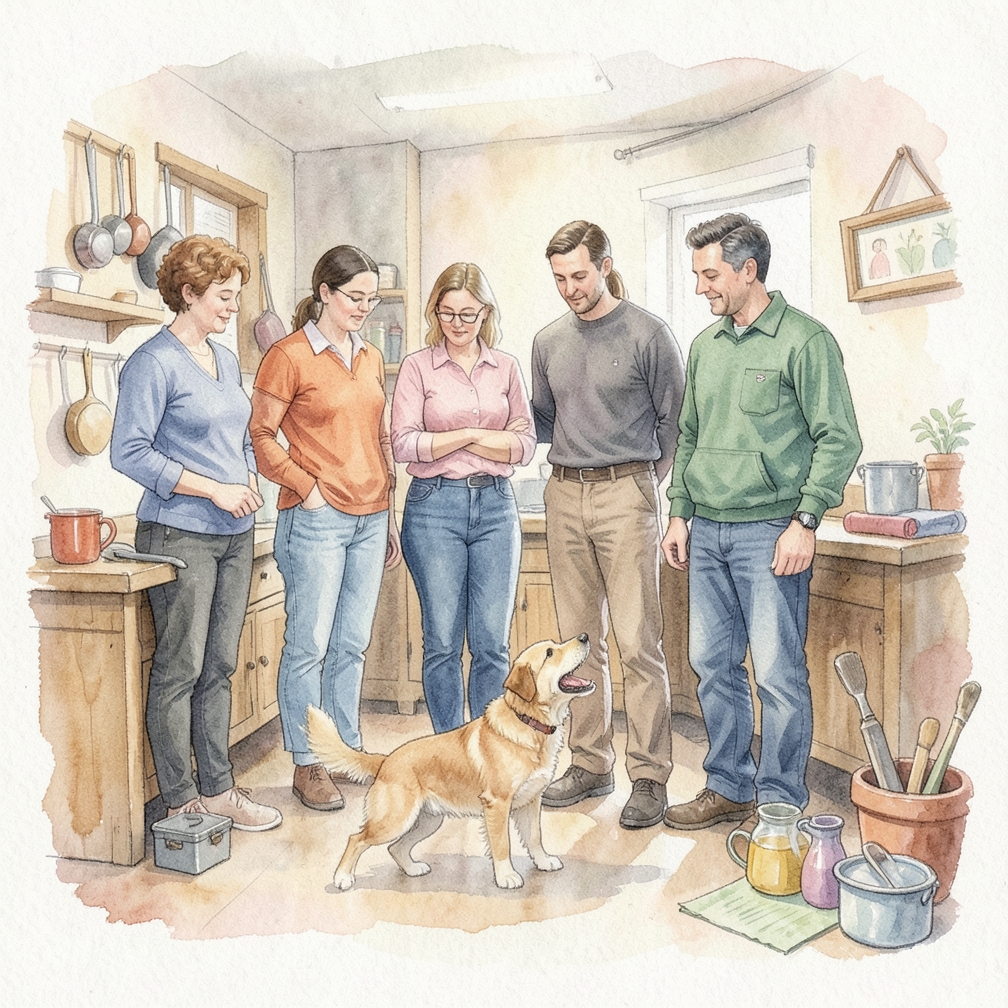
- It goes without saying that puppies have loads of energy (which you can also use to tell a puppy’s age ).
- They’re active, playing, and chewing on everything until about 1.5 years of age.
- Then, around middle age, your dog’s energy levels subside and even out, becoming more consistent.
- In old age, your dog may slow down significantly, preferring a snooze over play time.
- It goes without saying that puppies have loads of energy (which you can also use to tell a puppy’s age ).
Mental activity

- Puppies tend to be sharp, curious, and quick to pick up new commands.
- Middle-aged dogs are more confident and comfortable in their surroundings.
- Senior dogs may experience some mental decline as they advance in their years.
- This might include anxiety around familiar people or objects, increased vocalizations, general disorientation or clumsiness, or a change in their sleeping cycles.
- Puppies tend to be sharp, curious, and quick to pick up new commands.
Seeking Help from a Vet
Get a blood panel done.
- If you're very unsure of your dog's age, a blood panel may provide some insight.
- A vet can take a blood panel to determine the functions of organs like the kidneys and liver.
- A dog's organs will function differently at different ages.
- However, while this can give you a rough sense of your dog's age, your vet may only be able to determine an approximate age range.
- The only way to know your dog's age for sure is to know their birthday.
Talk to your vet about keeping your dog healthy as they age.

- If your dog is older or middle-aged, talk to your vet about ways to keep your dog healthy and happy.
- The risk for age-related diseases and ailments rises as a dog gets older, but your vet is able to provide a wealth of tips and recommendations for helping you give your dog the best quality of life.
- If your dog is older or middle-aged, talk to your vet about ways to keep your dog healthy and happy.
- The risk for age-related diseases and ailments rises as a dog gets older, but your vet is able to provide a wealth of tips and recommendations for helping you give your dog the best quality of life.
- If your dog is older or middle-aged, talk to your vet about ways to keep your dog healthy and happy.
Community Q&A
Q Can I accurately tell a dog's age just by looking at their teeth?
A While teeth are a great indicator, they aren't 100% accurate because some dogs have excellent dental hygiene or premature wear due to chewing habits.
Q How do dog years convert to human years?
A The old '7 years' rule is a simplification. Smaller dogs generally age slower than larger breeds; a vet can provide a more nuanced conversion based on breed size.
References
- https://www.hsmo.org/wp-content/uploads/2017/07/Behavior-Problem-Puppy-Chewing-and-Teething.pdf
- https://www.foundanimals.org/how-old-is-my-adopted-dog/
- https://vcahospitals.com/know-your-pet/lenticular-sclerosis-in-dogs
- https://www.akc.org/expert-advice/health/how-to-tell-dog-age/
- https://www.ncbi.nlm.nih.gov/pmc/articles/PMC8110720/
- https://www.akc.org/expert-advice/health/aging-in-dogs-physical-mental-signs/
- https://www.pethealthnetwork.com/dog-health/dog-diseases-conditions-a-z/eight-tips-coping-your-dogs-age-related-hearing-loss
- https://www.avma.org/resources-tools/pet-owners/petcare/senior-pets
- https://www.akc.org/content/entertainment/articles/how-to-calculate-dog-years-to-human-years/
- https://vcahospitals.com/know-your-pet/helping-our-senior-dogs-age-gracefully
Was this guide helpful?
46 people found this helpful
HowDadDo Around the World
Subscribe to the HowDadDo Newsletter
Get expert tips, weekly how-to guides, and dad wisdom delivered straight to your inbox. No spam, just good stuff.
Help us build the world's best
dad manual.
Every guide on HowDadDo is written and fact-checked by real people — no AI-generated fluff. Join our community of experts helping dads figure life out.