How to Install a Privacy Fence for a Secure and Private Outdoor Space
Creating a secure and private outdoor space is one of the most effective ways to improve your home's livability and overall market value. A well-installed privacy fence does more than just block the view of neighbors; it provides a safe perimeter for children and pets, reduces street noise, and establishes a clear boundary for your property. Whether you are looking for the classic look of cedar or the low maintenance of vinyl, the key to a long-lasting fence lies in the preparation and the structural integrity of the posts.
Attach the Rails
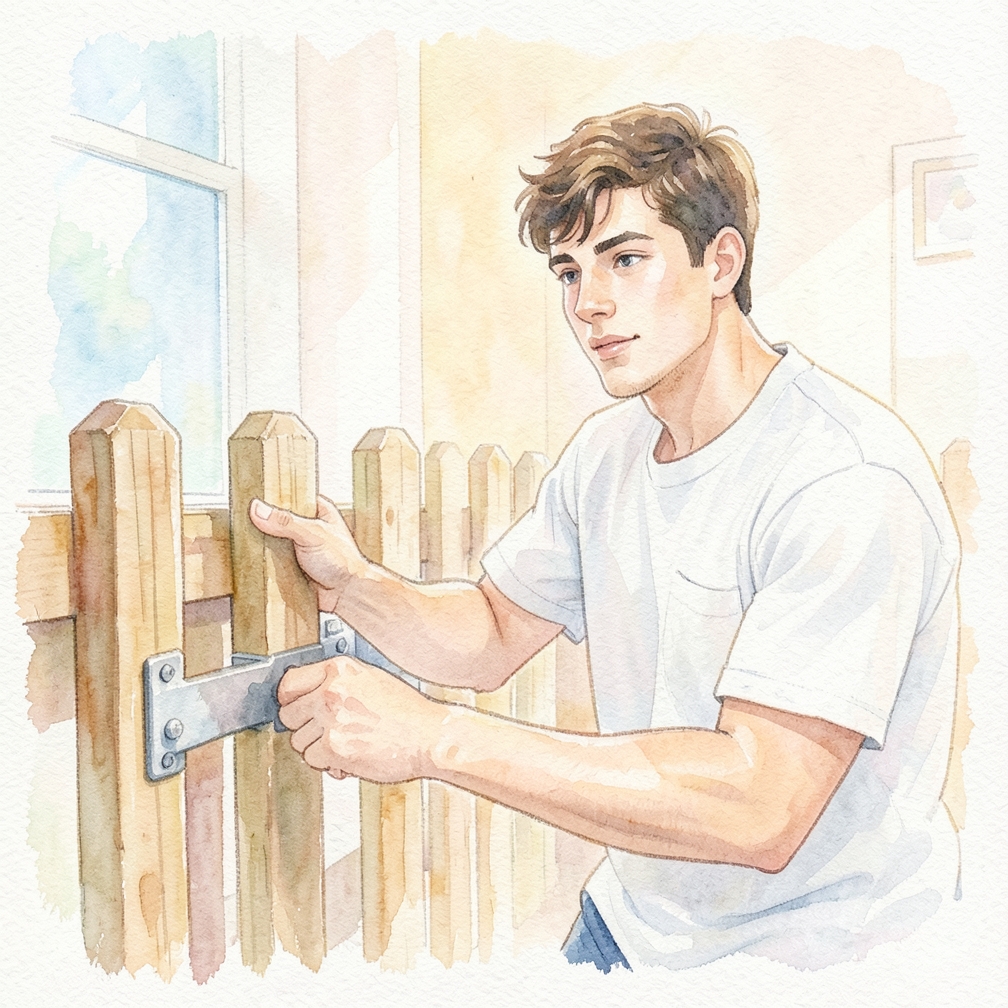
- Attach the rails to the fence posts using screws or nails.
- Make sure they are level and secure.
- Check your measurements before attaching the rails.
- Use a level to ensure the rails are straight.
- Double-check that the rails are securely attached.
- Attach the rails to the fence posts using screws or nails.
Pro Tips
- Apply a weather-resistant sealant or stain to wood fences immediately after installation to prevent UV damage.
- Install a gate with heavy-duty hinges to prevent sagging over time.
- Consider adding a trellis or planting shrubs along the fence line for extra privacy and aesthetic appeal.
Warnings
- Never ignore utility markings; hitting a gas line is extremely dangerous.
- Avoid installing a solid privacy fence in areas with extreme wind without consulting a professional about wind-loading.
Community Q&A
Q How deep should I bury my fence posts?
A As a general rule, posts should be buried 1/3 of their total length. For a 6-foot fence, this means 3 feet in the ground, though you should always check your local frost line depth.
Q Is vinyl better than wood for privacy?
A Vinyl offers better long-term privacy because it doesn't warp or shrink, and it requires almost no maintenance. Wood is often preferred for its natural beauty and higher initial structural strength.
References
- https://codes.icc.digital/
- https://www.illinois1call.com/five-tips-for-installing-a-fence-safely/
- https://www.thisoldhouse.com/landscaping/21017854/evergreen-privacy-screens
- https://gardenerspath.com/how-to/animals-and-wildlife/deer-fence-diy/
- https://www.thisoldhouse.com/fences/21016593/how-to-install-a-picket-fence
- https://call811.com/before-you-dig
- https://www.youtube.com/watch?v=3ptcRhU9BgA
- https://www.lowes.com/n/how-to/garden-gate-with-arbor-and-fence
Was this guide helpful?
36 people found this helpful
HowDadDo Around the World
Subscribe to the HowDadDo Newsletter
Get expert tips, weekly how-to guides, and dad wisdom delivered straight to your inbox. No spam, just good stuff.
Help us build the world's best
dad manual.
Every guide on HowDadDo is written and fact-checked by real people — no AI-generated fluff. Join our community of experts helping dads figure life out.