How to Manage Labyrinthitis Symptoms in Babies and Toddlers
Labyrinthitis occurs when the inner ear becomes inflamed, often due to a viral or bacterial infection. While more common in adults, babies and toddlers can also experience this, leading to disorientation, dizziness, and nausea. Because young children cannot articulate that the 'room is spinning,' parents must rely on behavioral cues to identify and manage labyrinthitis symptoms effectively while seeking medical guidance.
Identifying and Managing Symptoms at Home
Monitor for Non-Verbal Balance Cues

- Watch for a sudden increase in trips or falls in a child who was already walking confidently.
- Notice if the child leans heavily to one side while sitting or standing.
- Observe if they avoid moving their head quickly, as this often triggers dizziness.
- Check for nystagmus, which is the involuntary, rapid rhythmic movement of the eyes.
- Do not mistake these balance issues for simple clumsiness if they appear suddenly after a cold or flu.
Recognize Behavioral Signs of Nausea
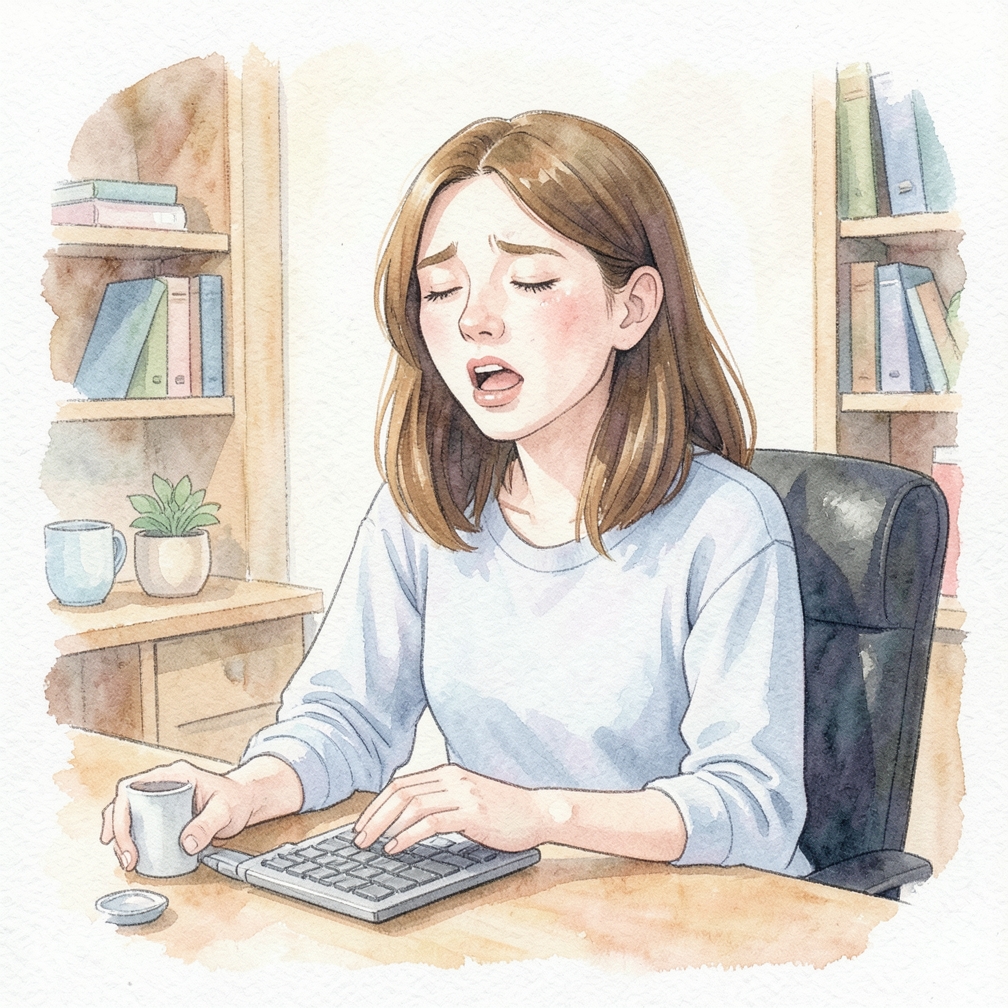
- Look for sudden vomiting that occurs specifically when the child changes position or is tilted.
- Note if the child becomes unusually clingy or fearful of being held in certain positions.
- Watch for signs of lethargy or a desire to keep their head completely still for long periods.
- Monitor for decreased appetite or refusal of bottles and solid foods due to nausea.
- Avoid forcing food if the child is actively experiencing vertigo to prevent further vomiting.
Create a Low-Stimulation Environment

- Dim the lights in the room to reduce visual overstimulation and glare.
- Keep the child in a stable, comfortable position, such as propped up with pillows in a cozy corner.
- Minimize loud noises or sudden movements in the child's immediate vicinity.
- Avoid using toys that spin, rotate, or move rapidly across the floor.
- Avoid sudden movements when picking up the child to prevent triggering a nausea episode.
Implement Fall Prevention Measures

- Keep the child on the floor or in a playpen rather than on sofas, beds, or changing tables.
- Remove small obstacles, such as toys or rugs, from the walking path to prevent tripping.
- Provide constant physical support or a guiding hand when the child attempts to walk.
- Use a baby gate to prevent them from attempting stairs independently.
- Never leave a child with active vertigo unattended in a bathtub or high chair.
Manage Hydration and Nutrition
- Offer small amounts of water or a pediatric electrolyte solution every 15-30 minutes.
- Provide bland foods like crackers or toast if the child is able to eat.
- Avoid sugary drinks which can sometimes worsen nausea in sensitive toddlers.
- Keep the child upright for 30 minutes after eating to reduce reflux and nausea.
- Do not administer over-the-counter anti-vertigo or antihistamine medication without a pediatrician's specific dosage.
Medical Intervention and Recovery
Determine the Need for Immediate Care

- Seek immediate care if the child develops a high fever alongside balance issues.
- Watch for a stiff neck or extreme sensitivity to light (photophobia).
- Note any sudden, total loss of hearing in one or both ears.
- Check for a rash that does not fade when pressed, which can indicate a systemic infection.
- Do not wait for a scheduled appointment if the child becomes unresponsive or excessively lethargic.
Coordinate with a Pediatrician for Diagnosis

- Keep a detailed log of when the balance issues started and any preceding colds or ear infections.
- Ask the doctor to check for fluid buildup in the middle ear (otitis media).
- Discuss the possibility of vestibular rehabilitation if symptoms persist beyond a week.
- Ensure the doctor is aware of all current medications, including vitamins or supplements.
- Avoid self-diagnosing based on adult symptoms, as pediatric presentations differ.
Community Q&A
Be the first to ask a question about this guide.
References
- https://www.nlm.nih.gov/medlineplus/ency/article/001054.htm
- https://www.nlm.nih.gov/medlineplus/druginfo/meds/a682539.html
- https://www.nlm.nih.gov/medlineplus/ency/patientinstructions/000549.htm
- https://www.hopkinsmedicine.org/neurology_neurosurgery/centers_clinics/vestibular/conditions/benign_paroxysmal_positional_vertigo.html
- https://emedicine.medscape.com/article/856215-overview
- https://www.cdc.gov/meningitis/index.html
- https://patient.info/doctor/history-examination/chronic-suppurative-otitis-media
Was this guide helpful?
41 people found this helpful
HowDadDo Around the World
Subscribe to the HowDadDo Newsletter
Get expert tips, weekly how-to guides, and dad wisdom delivered straight to your inbox. No spam, just good stuff.
Help us build the world's best
dad manual.
Every guide on HowDadDo is written and fact-checked by real people — no AI-generated fluff. Join our community of experts helping dads figure life out.